Why Power & Utilities Matter
Reliable utility infrastructure underpins modern communities, industries and economies.
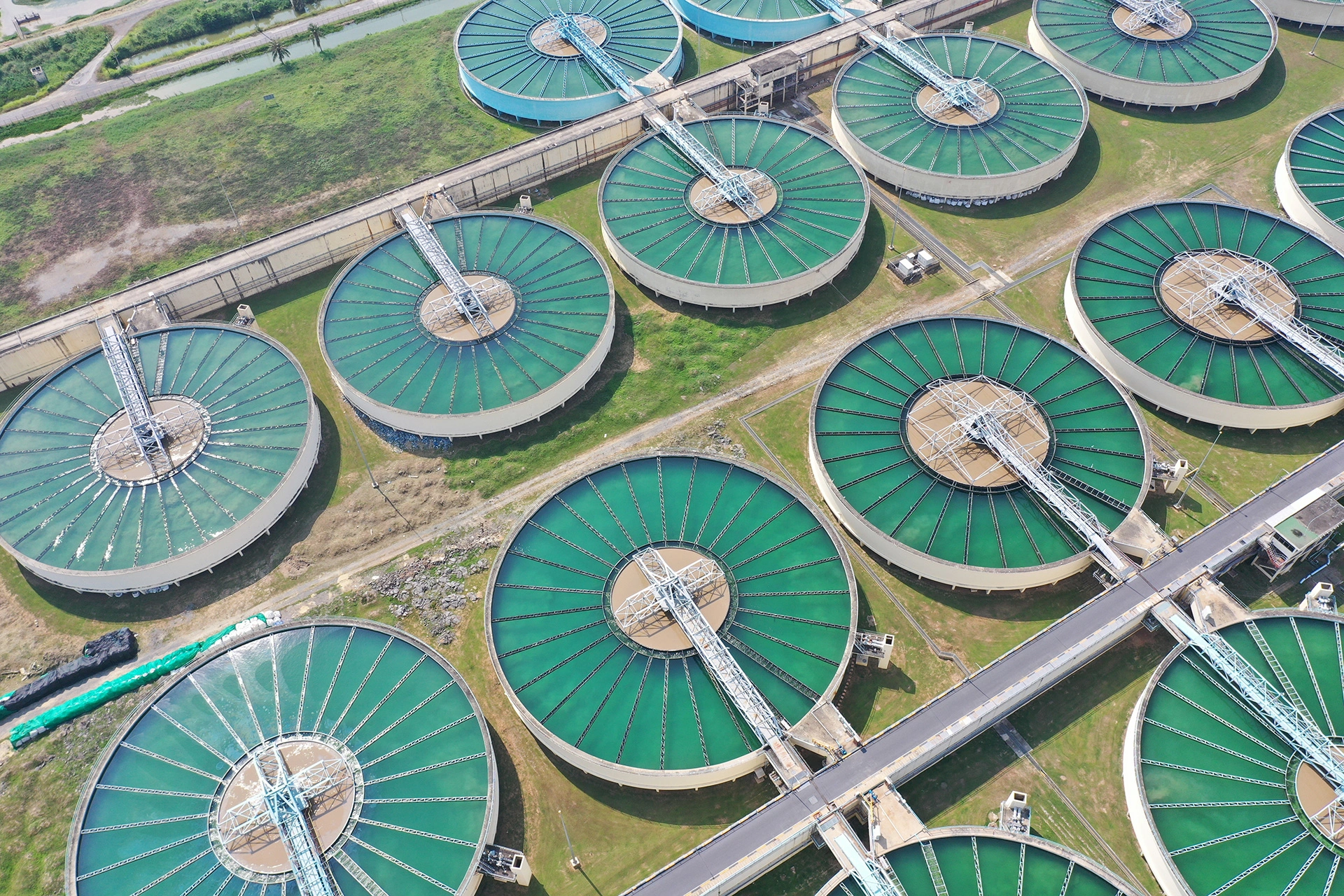
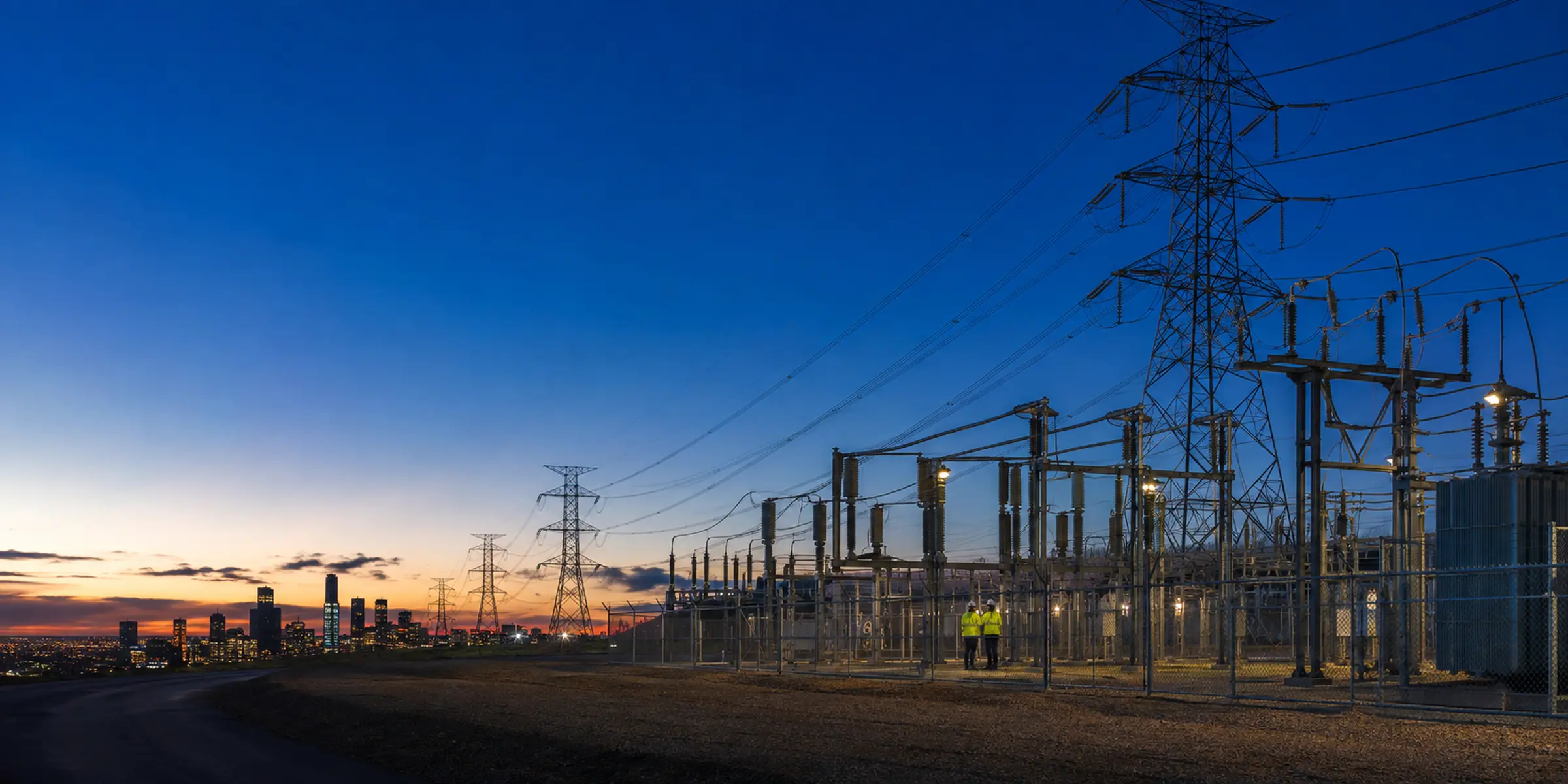
Across Australia and the Middle East, unprecedented investment is being made in electricity transmission, distribution, substations, network resilience, water and utility infrastructure to support population growth, energy transition and long-term economic development.
These programmes often involve complex stakeholder environments, live operational assets, regulatory oversight and long delivery timeframes.
Successful delivery depends on informed decisions, integrated project controls and disciplined governance.
Trajectory helps organisations build confidence in those decisions throughout the project lifecycle.
The Challenge
Utility organisations deliver projects within environments where reliability, safety and operational continuity are critical.
Projects frequently involve:
- Live operational networks.
- Multiple delivery partners.
- Regulatory compliance.
- Asset integration.
- Network outages and commissioning.
- Long-term investment planning.
- Funding and governance requirements.
- Increasing customer expectations.
Maintaining confidence in project information while balancing operational priorities and capital delivery requires integrated planning, governance and project controls.
Our Perspective
At Trajectory, we believe utility projects perform best when operational knowledge, project delivery and decision-making are fully integrated.
Project controls, governance, commercial management and risk management should provide decision-makers with a clear understanding of project performance, emerging risks and future delivery confidence.
Reliable information enables confident investment decisions while supporting the safe and efficient delivery of critical infrastructure.
How We Help
Trajectory supports utility organisations through:
- Asset investment planning and utility programme governance.
- Integrated project controls.
- Project planning and scheduling.
- Cost management and forecasting.
- Project risk management.
- Quantitative Cost Risk Analysis (QCRA).
- Quantitative Schedule Risk Analysis (QSRA).
- Integrated Cost and Schedule Risk Analysis.
- Contingency management.
- Governance reviews.
- Regulated investment and capital programme support.
- PMO establishment and capability development.
- Executive reporting and performance improvement.
Typical Engagements
Our experience includes supporting:
- Electricity transmission projects.
- Electricity distribution projects.
- Substation developments.
- Network augmentation programmes.
- Utility asset replacement programmes.
- Grid resilience initiatives.
- Capital investment programmes.
- Programme-wide project controls.
- Governance improvement.
- Quantitative risk analysis.
- Forecasting and contingency management.
- PMO capability uplift.
Sector Experience
Trajectory supports organisations involved in:
- Electricity Transmission
- Electricity Distribution
- High Voltage Infrastructure
- Substations
- Utility Networks
- Grid Modernisation
- Network Reliability Programmes
- Capital Works Programmes
- Utility Asset Renewals
What You Can Expect
Our power and utility clients benefit from:
- Greater confidence in capital investment decisions.
- Improved governance and executive oversight.
- Better forecasting and project visibility.
- Integrated cost, schedule and risk information.
- Stronger programme controls.
- Improved organisational capability.
- Practical advice tailored to utility delivery environments.
- Better project outcomes.
Critical infrastructure demands disciplined project delivery.
Trajectory helps utility organisations make confident project decisions that strengthen the reliability and resilience of essential services.
Closing Reflection
Power and utility infrastructure is essential to every community.
Delivering these assets successfully requires more than engineering excellence.
It requires informed decisions, integrated thinking and trusted advice.
Trajectory helps organisations build the confidence needed to deliver infrastructure that communities depend on every day.